Dorothy Jones
Strategies for effective student-teacher collaboration.
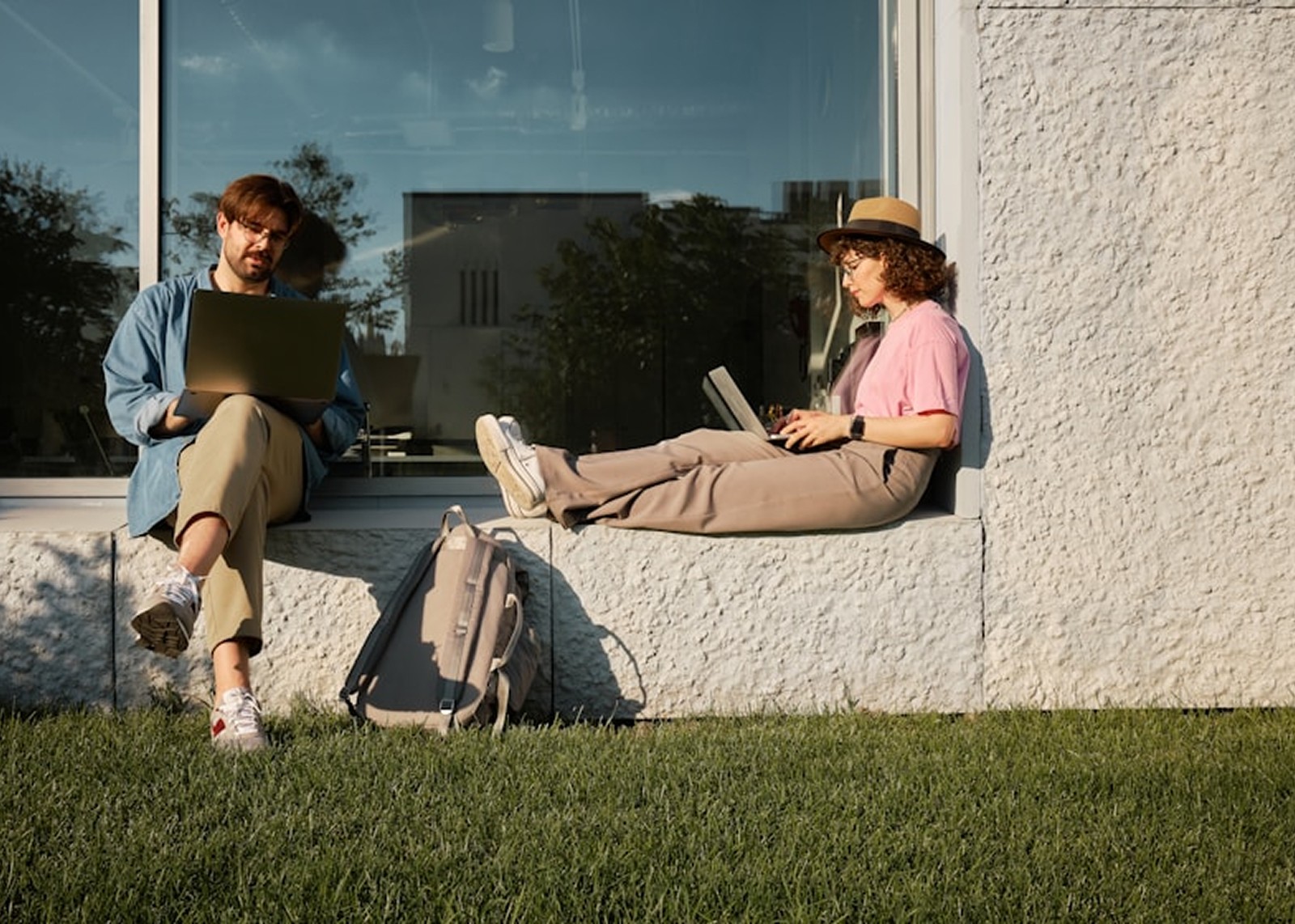
Effective student-teacher collaboration plays a vital role in improving learning outcomes and creating a positive educational experience. When students and teachers work together with mutual respect and clear communication, it fosters a supportive environment where knowledge can thrive. Strong collaboration not only enhances academic performance but also builds confidence, critical thinking, and lifelong learning skills.
Understanding Student-Teacher Collaboration
Student-teacher collaboration is a partnership where both parties actively contribute to the learning process. Teachers guide, support, and provide knowledge, while students engage, ask questions, and take responsibility for their learning. This shared effort creates a more dynamic and interactive classroom environment.
Building Open Communication
Clear and honest communication is the foundation of successful collaboration. When students feel comfortable expressing their thoughts, challenges, and ideas, teachers can better understand their needs. Likewise, teachers who communicate expectations clearly help students stay on track and avoid confusion. Regular discussions and feedback strengthen this connection and make learning more effective.
Establishing Mutual Respect
Respect between students and teachers creates a safe and positive learning space. When teachers value students’ opinions and students appreciate the efforts of their teachers, trust develops naturally. This mutual respect encourages active participation and reduces barriers to communication.
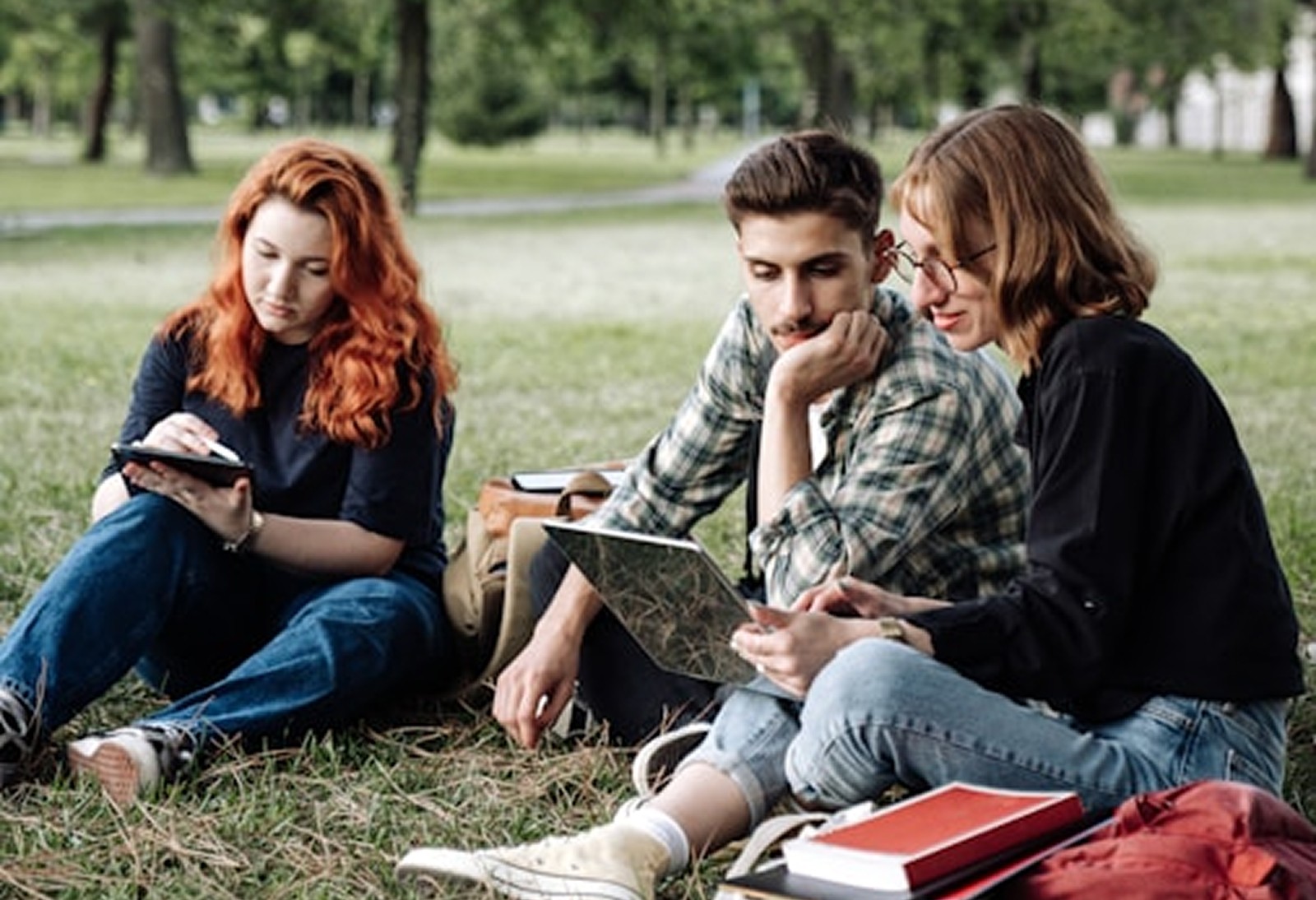
Creating a Supportive Learning Environment
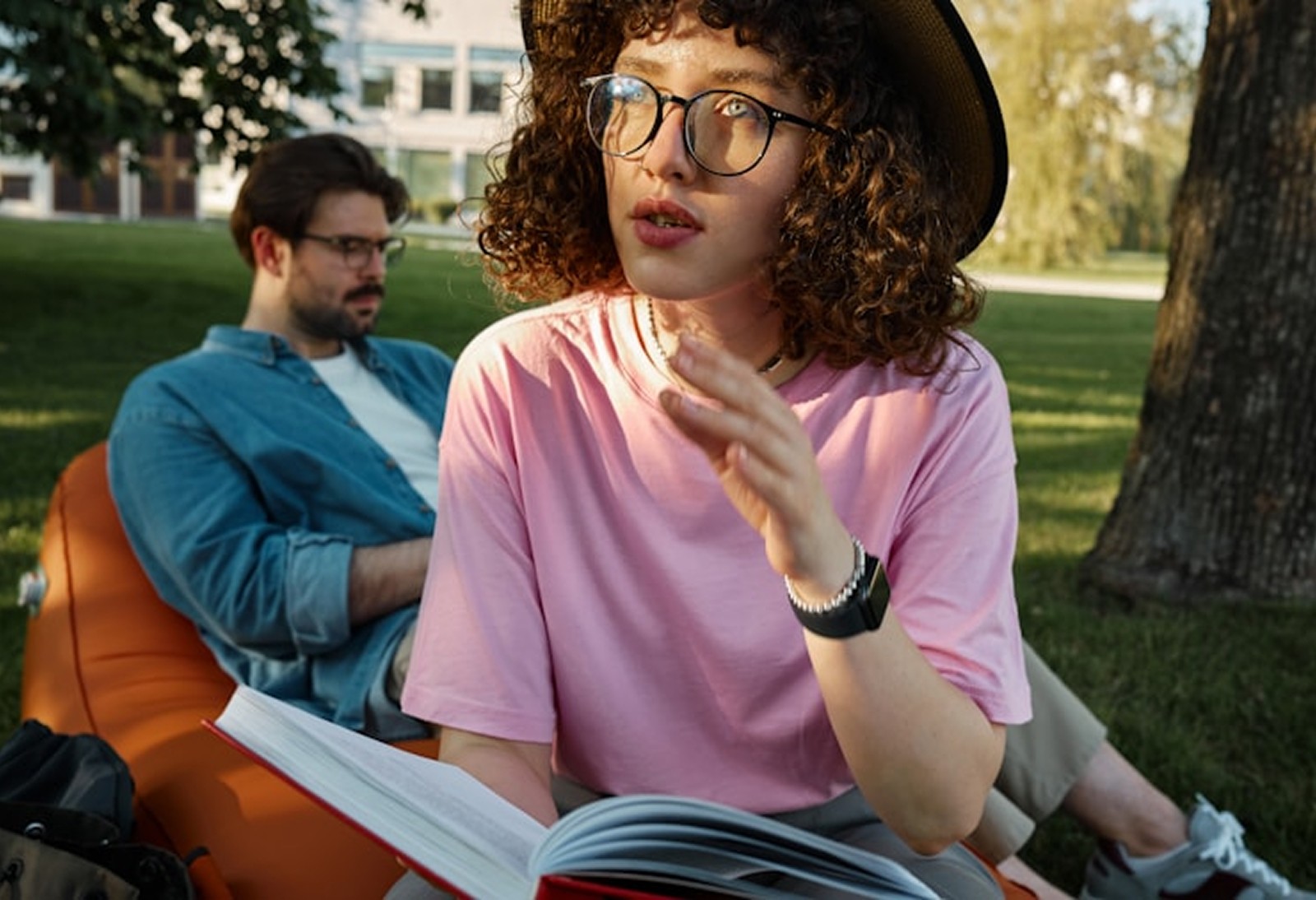
A supportive environment encourages students to express themselves without fear of judgment. Teachers who foster inclusivity and understanding help students feel valued and confident. This sense of belonging strengthens collaboration and improves overall learning outcomes.
Overcoming Challenges in Collaboration
Challenges such as misunderstandings, lack of communication, or differing expectations can affect collaboration. Addressing these issues early through open dialogue and patience helps maintain a healthy student-teacher relationship. Flexibility and willingness to adapt are key to overcoming these obstacles.
Conclusion
Effective student-teacher collaboration is essential for a successful educational journey. By building strong communication, mutual respect, and shared responsibility, both students and teachers can create a productive and engaging learning environment. When collaboration is prioritised, it leads to better academic performance, stronger relationships, and a more meaningful learning experience.